Masthead

Markets We Serve

eVOLVE

Telecom

  • Intro Text: Building a new data center is a complex and costly undertaking that requires a wide range of expertise and resources. It involves designing and constructing a facility that can meet your organization's unique needs and support your critical IT operations. You have the option of working with a single source vendor or multiple contractors to get the job done.
Masthead

Telecom

eVOLVE

Slide

Markets We Serve

Telecom

Building a Better Tomorrow, Today

Building a new data center is a complex and costly undertaking that requires a wide range of expertise and resources. It involves designing and constructing a facility that can meet your organization's unique needs and support your critical IT operations. You have the option of working with a single source vendor or multiple contractors to get the job done.

Evolve offers a unique experience to our customers. We are the industry leader in the Telecom industry's Single-Source Design & Build Data Centers. With over 30 years of experience and over $650 Million in completed and commissioned projects, our design and build process is tested and proven.

Telecommunications companies rely heavily on data centers to store and manage their vast data. Data centers are critical to the success of a telecommunications company, as they ensure the reliability, security, and efficiency of their operations. However, designing and building a data center is a complex process that requires careful planning and execution.

Importance of Data Centers for telecommunications Companies

Data centers are critical to the success of a telecommunications company, as they store and manage vast amounts of data that are necessary for day-to-day operations. Without data centers, telecommunications companies would be unable to provide their customers with reliable internet, phone, and television services.

The need for proper design and construction

Designing and building a data center is a complex process that requires careful planning and execution. A poorly designed data center can lead to costly downtime, security breaches, and equipment failure, which can have a negative impact on a telecommunications company’s reputation and bottom line.

The benefits of working with a single source design and build company

Working with a single source design and build company can simplify the construction process and reduce the risk of miscommunication between different contractors. A single source design and build company can also help telecommunications companies save money and ensure that their data center meets all regulatory requirements.

Design Considerations

Location

One of the most important factors to consider when designing a data center is location. The data center should be located near the company’s customers to minimize latency and provide fast access to data. It should also have access to reliable power and internet connectivity to ensure uninterrupted service.

Building Design

The building design is another important factor to consider. The data center should be structurally sound to withstand natural disasters and other potential hazards. It should also have efficient HVAC and cooling systems to prevent equipment overheating and failure. Additionally, the data center should be equipped with state-of-the-art security and fire suppression systems to ensure the safety of the equipment and the data stored within.

Capacity Planning

Capacity planning is another critical consideration when designing a data center. The data center should have enough initial capacity to meet the company’s current needs, but also be scalable to accommodate future growth. Additionally, redundancy and failover planning should be built into the design to ensure uninterrupted service in the event of equipment failure or natural disasters.

Compliance and Certification

Legal requirements, industry standards, and environmental regulations must be considered when designing and building a data center. Compliance and certification can ensure that the data center meets all necessary regulations and standards, which can help prevent costly fines and ensure the safety of the equipment and data.

Construction Process

Project Management

Proper project management is critical to the success of the data center construction process. Site preparation, building construction, equipment installation, and testing and commissioning must be carefully managed to ensure that the data center is built to specifications and functions as intended.

Contractor Management

The coordination of different contractors is another important consideration. Working with a single source design and build company can simplify this process and reduce the risk of miscommunication between contractors. Risk management and quality assurance must also be addressed to ensure that the data center is built to the required standards and functions properly.

Timeline Management

Scheduling, milestone tracking, and resource allocation must be carefully managed to ensure that the data center is built on time and within budget. Delays in construction can be costly, and may lead to downtime and other issues.

Working with Evolve on your next data center means that you only have to deal with one point of contact for all aspects of the project. This vendor will manage the entire project, from design to construction to commissioning, and will ensure that all aspects of the project are delivered on time, within budget, and to your specifications. This streamlined project management approach eliminates the need for you to coordinate with multiple contractors and simply rely on our team to get the job done.

Energy

  • Intro Text: A significant amount of money, time, and resources are required to build a data center for an energy company. Because it can store, process, and analyze large amounts of data, a data center is an essential component of any company's IT infrastructure.
Masthead

Energy

eVOLVE

Slide

Markets We Serve

Energy

A significant amount of money, time, and resources are required to build a data center for an energy company. Because it can store, process, and analyze large amounts of data, a data center is an essential component of any company's IT infrastructure.

Location

It is crucial to choose the right location for your data center. It should be located in an area that is safe and controlled, close to all facilities of the energy company. It should be in an area that isn't susceptible to natural disasters like floods, earthquakes or hurricanes. It should be easily accessible to electricity and internet connectivity.

Size

The amount of data to be stored and processed will determine the size of the data center. The data center must have sufficient space to house all equipment, including servers, storage devices, and networking equipment. As energy companies generate more data, the size of the data center should allow for future growth.

Security

An energy company must ensure data security. Data center security should protect against unauthorized access, cyber-attacks, and physical damage. The data center should only be accessible by authorized personnel. It should also have a multi-layered security system, including firewalls, intrusion detection, and encryption.

Redundancy

Data centers should have redundant systems in order to guarantee that data is always accessible. Multiple servers, storage devices and power sources can provide redundancy. Redundancy can also help to reduce downtime in the event of a system failure.

Cooling and Power

Data centers require significant power to function. Energy companies require that their data centers have an uninterrupted power supply (UPS), and backup generators in the event of a power cut. A reliable cooling system is also required for data centers to maintain a constant temperature.

Scalability

The data center should be flexible enough to accommodate the increasing demands of the energy company. Data centers should be able add servers, storage devices and networking equipment as required. Scalability includes the ability to upgrade the infrastructure of the data center in order to support new technologies or applications.

Compliance

Energy companies must comply with various regulations and standards such as NERC CIP or FERC. These regulations and standards should be adhered to by the data center. This includes the implementation of security controls, data backups and recovery procedures, as well as data retention policies.

Disaster Recovery

An energy company must have a disaster recovery plan. A disaster recovery plan should be prepared for the data center. It will outline how to recover from disasters such as flood, fire, and cyber-attack. The disaster recovery plan should include procedures for notifying all stakeholders, data backup and recovery procedures, alternate data center locations, and notification procedures.

Building a data center for an energetic company requires careful planning. These elements include location and size, redundancy, power, cooling, security, redundancy and power, scalability and compliance, as well as disaster recovery. Energy companies can create a data center that is reliable, secure, and scalable to meet growing demands by considering these elements.

If you are looking for Evolve in the future with your next data center project - Evolve is the partner and trusted advisor to fit your needs.

Hospitals

  • Intro Text: Building a data center for a hospital system requires a significant investment in time, money, and resources. A data center is a critical component of any healthcare organization, as it enables the storage, processing, and analysis of large amounts of data. In this article, we will discuss the key elements that need to be considered when building a data center for a hospital system.
Masthead

Hospitals

eVOLVE

Slide

Markets We Serve

Hospitals

Building a data center for a hospital system requires a significant investment in time, money, and resources. A data center is a critical component of any healthcare organization, as it enables the storage, processing, and analysis of large amounts of data. In this article, we will discuss the key elements that need to be considered when building a data center for a hospital system.

Location

The location of the data center is critical. Ideally, it should be situated in a secure, climate-controlled environment that is close to the hospital. The data center should also be located in an area that is not prone to natural disasters such as floods, earthquakes, or hurricanes. The location should also have easy access to power and internet connectivity.

Size

The size of the data center will depend on the amount of data that needs to be stored and processed. The data center should have enough space to accommodate all the necessary equipment, including servers, storage devices, and networking equipment. The size of the data center should also allow for future growth, as the amount of data generated by hospitals is increasing rapidly.

Security

Data security is of utmost importance in a hospital system. The data center should be designed to protect against unauthorized access, physical damage, and cyber attacks. Access to the data center should be restricted to authorized personnel, and the data center should have a multi-layered security system that includes firewalls, intrusion detection systems, and encryption.

Redundancy

A data center should have redundant systems to ensure that data is always available. Redundancy can be achieved by having multiple servers, storage devices, and power sources. Redundancy also helps to minimize downtime in case of system failure.

Cooling and Power

A data center requires a significant amount of power to operate. Hospitals require their data centers to have an uninterrupted power supply (UPS) and backup generators in case of a power outage. The data center should also have a reliable cooling system to maintain a stable temperature.

Scalability

A data center should be scalable to meet the growing demands of the hospital system. The data center should have the ability to add more servers, storage devices, and networking equipment as needed. Scalability also includes the ability to upgrade the data center infrastructure to support new technologies and applications.

Compliance

Hospitals are subject to various regulations and standards, such as HIPAA and HITECH. The data center should be designed to comply with these regulations and standards. Compliance includes the implementation of security controls, data backup and recovery procedures, and data retention policies.

Disaster Recovery

A disaster recovery plan is essential for a hospital system. The data center should have a disaster recovery plan that outlines the procedures for recovering from a disaster such as a fire, flood, or cyber attack. The disaster recovery plan should include data backup and recovery procedures, alternative data center locations, and procedures for notifying stakeholders.

Building a data center for a hospital system requires careful planning and consideration of various elements. These elements include location, size, security, redundancy, power and cooling, scalability, compliance, and disaster recovery. By taking these elements into account, hospitals can build a data center that is secure, reliable, and scalable to meet their growing needs. If you are looking for Evolve in the future with your next hospital data center project - Evovle is the partner and trusted advisor to fit your needs.

Colocation

  • Intro Text: A properly designed and built data center is essential for colocation companies. As a “colo” provider, companies are providing space, power, and cooling infrastructure to host their IT equipment. Colocation allows businesses to outsource the management and maintenance of their IT infrastructure, allowing them to focus on their core competencies.
Masthead

Colocation

eVOLVE

Slide

Markets We Serve

Colocation

A properly designed and built data center is essential for colocation companies. As a “colo” provider, companies are providing space, power, and cooling infrastructure to host their IT equipment. Colocation allows businesses to outsource the management and maintenance of their IT infrastructure, allowing them to focus on their core competencies.

One of the key benefits of colocation is the ability to access a data center that is designed and built to support the specific needs of IT infrastructure. A properly designed and built data center provides a secure, reliable, and scalable environment for businesses to house their IT infrastructure.

Security is a critical consideration for colocation companies. A properly designed and built data center will have multiple layers of physical security, including biometric access controls, video surveillance, and perimeter fencing. Additionally, data centers should have fire suppression systems and redundant power and cooling systems to ensure uptime and availability.

Reliability is another critical consideration for colocation companies. A properly designed and built data center will have redundant systems and infrastructure to minimize the risk of downtime. This includes redundant power sources, cooling systems, and network connections. In the event of a failure, a data center with redundant systems will have backup systems in place to prevent service interruptions.

Scalability is also essential for colocation companies. As businesses grow and their IT infrastructure needs change, they need the ability to scale their IT infrastructure quickly and easily. A properly designed and built data center will provide businesses with the flexibility they need to scale their IT infrastructure as needed. This includes the ability to add or remove IT equipment, as well as the ability to upgrade or downgrade their service level as needed.

A properly designed and built data center is essential for colocation companies. It provides businesses with a secure, reliable, and scalable environment to host their IT infrastructure. Colocation companies should partner with data center providers that have a proven track record of designing and building data centers that meet the specific needs of colocation customers. By doing so, businesses can ensure that their IT infrastructure is housed in a secure, reliable, and scalable environment, allowing them to focus on their core competencies and grow their business.

If you are looking for a reliable partner with a proven track record for your next colocation project or addition to existing operations, let us help you Evolve into the future of data center infrastructure.

Crypto-Mining

  • Intro Text: Designing and building a cryptocurrency mining facility requires careful consideration of several key elements. These elements include site selection, power and cooling systems, hardware selection, security measures, and overall operational efficiency.
Masthead

Crypto-Mining

eVOLVE

Slide

Markets We Serve

Crypto-Mining

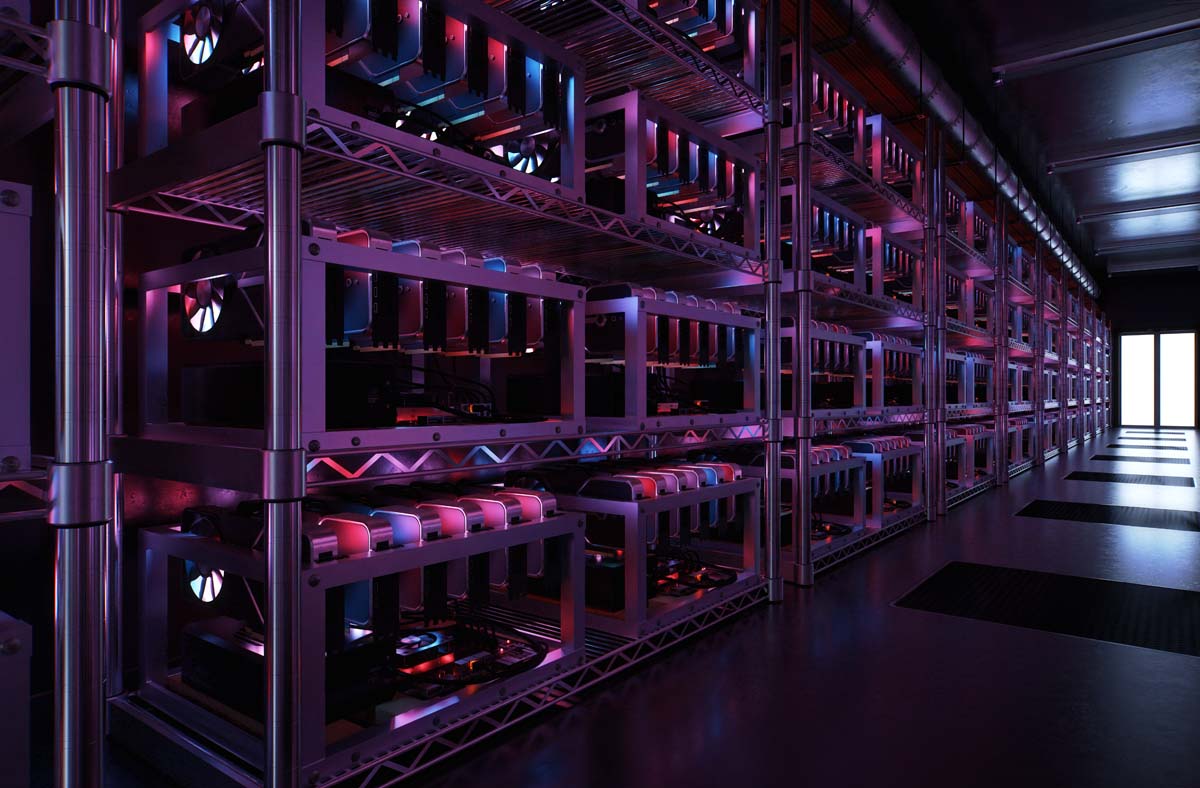
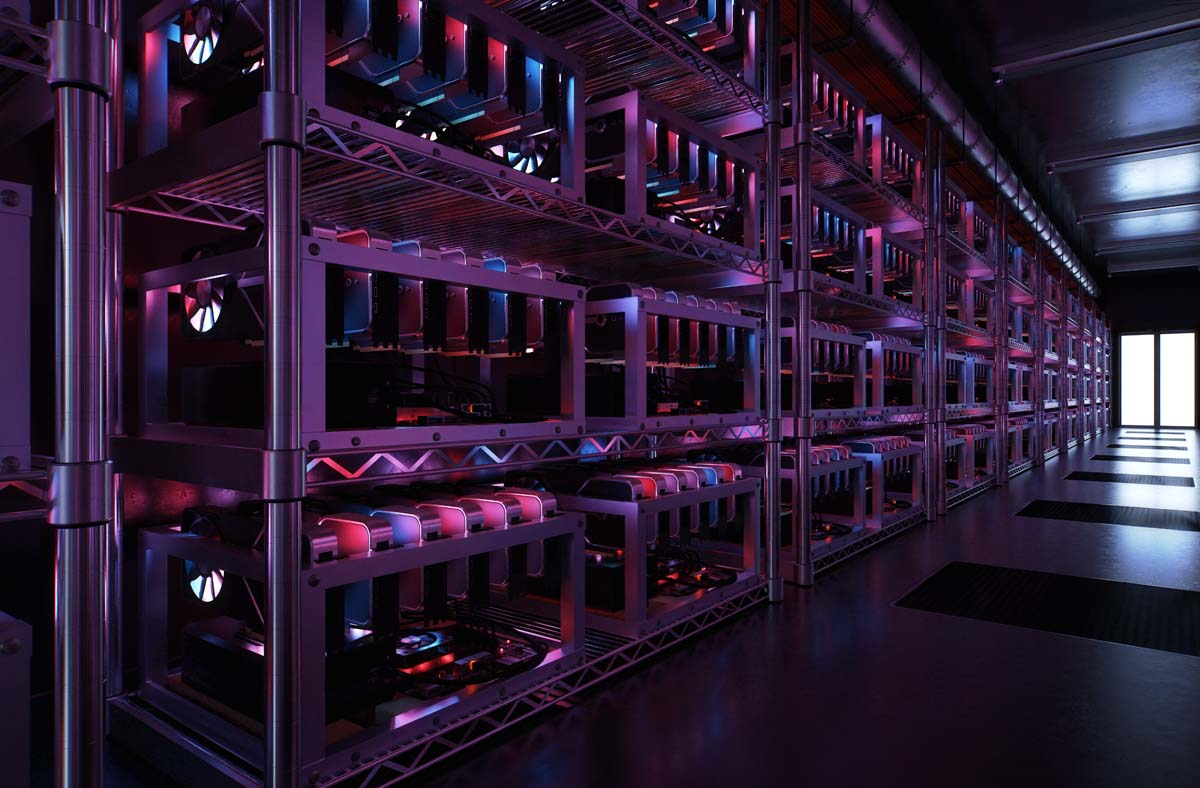
Designing and building a cryptocurrency mining facility requires careful consideration of several key elements. These elements include site selection, power and cooling systems, hardware selection, security measures, and overall operational efficiency.

Site Selection

The first step in designing a cryptocurrency mining facility is site selection. The site must be located in an area with low energy costs, stable power supply, and a suitable climate. It's also important to ensure that the site has access to high-speed internet connectivity to ensure fast and reliable communication between mining hardware and the mining pool.

Power and Cooling Systems

One of the critical elements to consider when designing a cryptocurrency mining facility is the power and cooling system. Mining hardware consumes a lot of electricity and generates a significant amount of heat. Therefore, the power and cooling systems must be designed to handle the high power consumption and heat output of the mining hardware. The power system should have enough capacity to handle the current and future needs of the mining facility, and the cooling system should be able to keep the temperature within an acceptable range to prevent hardware failure.

Hardware Selection

Hardware selection is another essential element to consider when designing a cryptocurrency mining facility. The mining hardware must be selected based on its efficiency, reliability, and hash rate. The efficiency of the hardware is critical because it determines the amount of electricity consumed per hash. The reliability of the hardware is also essential because mining hardware that fails can result in significant downtime and loss of revenue.

Security Measures

Cryptocurrency mining facilities are prime targets for theft and hacking. Therefore, it's essential to implement robust security measures to protect the mining hardware, data, and other assets. The security measures should include physical security, such as biometric access controls, video surveillance, and security personnel, as well as cybersecurity measures, such as firewalls, intrusion detection systems, and encryption.

Operational Efficiency

The operational efficiency of the mining facility should be considered. The goal is to maximize the revenue generated by the mining hardware while minimizing the cost of electricity and maintenance. This can be achieved by optimizing the mining hardware, selecting the most efficient mining pool, and implementing effective maintenance and repair processes.

If you are looking for a partner for your next Crypto-Mining project, let us help you Evolve into the future of crypto mining infrastructure.

Schools & Government

  • Intro Text: In today's world, the importance of technology in education and government operations cannot be overstated. As such, schools and government entities must have access to a properly designed and constructed data center to support their IT infrastructure.
Masthead

Schools & Government

eVOLVE

Slide

Markets We Serve

Schools & Government

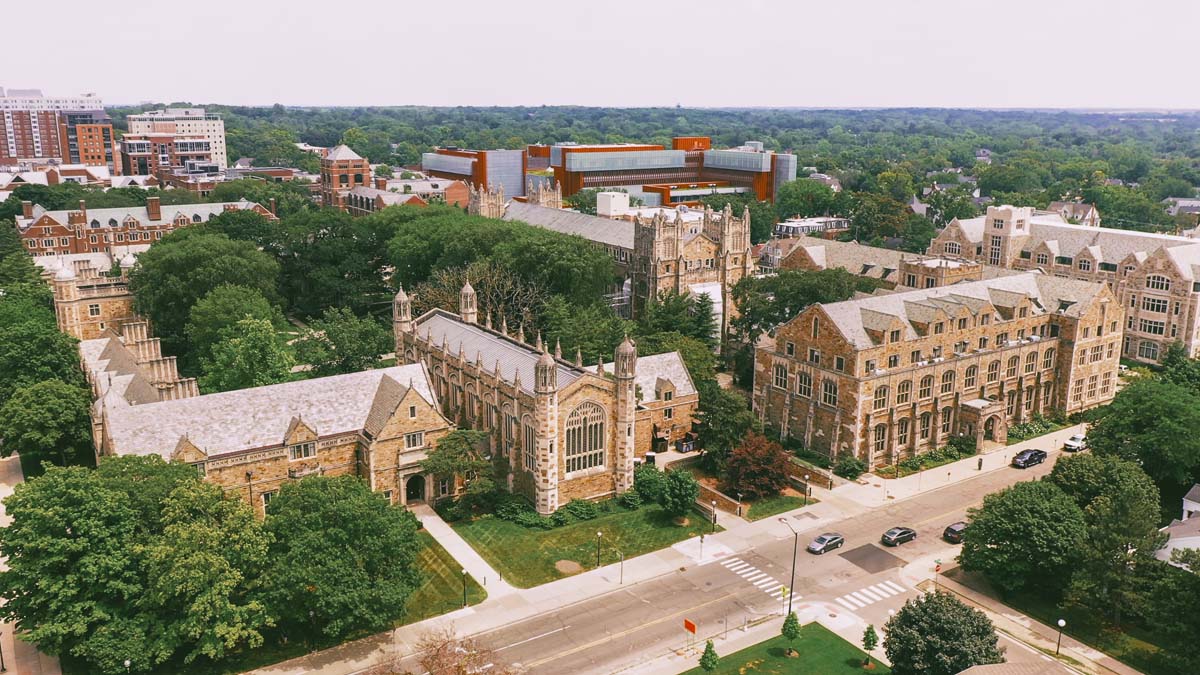
In today's world, the importance of technology in education and government operations cannot be overstated. As such, schools and government entities must have access to a properly designed and constructed data center to support their IT infrastructure.

A properly designed and constructed data center ensures that the IT infrastructure of a school or government entity is secure and reliable. Data centers are designed to protect IT equipment from power outages, natural disasters, and security breaches. They provide an uninterrupted power supply, backup generators, and advanced security systems to ensure the safe storage and retrieval of sensitive information. This level of security is critical for schools and government entities as they deal with highly sensitive information such as student records, financial data, and confidential government documents.

A data center ensures that the IT infrastructure of a school or government entity is scalable and flexible. As technology evolves and expands, so does the need for more storage, processing power, and bandwidth. A well-designed data center allows for easy scalability, making it possible to accommodate future growth without requiring significant upgrades or replacements. This means that schools and government entities can adapt to changing technology needs quickly and efficiently, without worrying about the costs associated with upgrading or replacing their IT infrastructure.

A properly designed and constructed data center ensures that the IT infrastructure of a school or government entity is energy-efficient. With energy costs rising yearly, energy efficiency has become a critical factor in designing and constructing data centers. A well-designed data center uses energy-efficient equipment and cooling systems, reducing the overall energy consumption and carbon footprint. This not only saves on energy costs but also supports the goal of reducing carbon emissions, making it a more sustainable solution.

Finally, a properly designed and constructed data center ensures that the IT infrastructure of a school or government entity is compliant with industry regulations and standards. Compliance with regulations such as HIPAA, FERPA, and GDPR is critical for schools and government entities as they deal with sensitive information. A well-designed data center ensures compliance with industry regulations and standards, providing peace of mind that all highly sensitive and mission-critical data is secure.

If you are interested in learning more about our extensive work with schools, universities, and government entities, please feel free to contact us.

Modular Data Centers

  • Intro Text: In today's fast-paced digital world, businesses and organizations of all sizes rely on data centers to store, process, and manage their critical data. However, the traditional approach of building and maintaining a large, monolithic data center needs to be updated, efficient, and costly. Modular data centers offer a flexible and scalable alternative that can help companies meet their evolving IT requirements while reducing costs and improving performance.
Masthead

Modular Data Centers

eVOLVE

Slide

Markets We Serve

Modular Data Centers

In today's fast-paced digital world, businesses and organizations of all sizes rely on data centers to store, process, and manage their critical data. However, the traditional approach of building and maintaining a large, monolithic data center needs to be updated, efficient, and costly. Modular data centers offer a flexible and scalable alternative that can help companies meet their evolving IT requirements while reducing costs and improving performance.

A modular data center is a prefabricated unit that contains all the necessary components of a traditional data center, including servers, storage, networking, and cooling. These modular units can be quickly deployed and scaled up or down as needed, allowing businesses to match their computing resources with their business needs.

One of the most significant advantages of modular data centers is their flexibility. Unlike traditional data centers that require significant upfront investment and planning, modular data centers can be quickly deployed in just a matter of weeks. This means that businesses can rapidly respond to changing business requirements, whether it's expanding into new markets, handling seasonal spikes in demand, or implementing new technologies.

Another benefit of modular data centers is their scalability. With a traditional data center, scaling up typically involves building additional physical infrastructure, which can be costly and time-consuming. However, modular data centers allow businesses to add capacity by simply adding additional modules, making it easy to scale up or down as needed without disrupting operations.

Modular data centers are also highly efficient. Because they are built using standardized components and pre-engineered designs, they can be optimized for energy efficiency and performance. This can help reduce power and cooling costs, as well as improve overall performance and reliability.

In addition to their flexibility, scalability, and efficiency, modular data centers offer a range of other benefits. For example, they can be used to support edge computing, which involves processing data closer to the source rather than sending it to a centralized data center. This can help reduce latency and improve the user experience for applications that require real-time processing.

Modular data centers can also be used to support disaster recovery and business continuity. By deploying a modular data center in a remote location, businesses can ensure that their critical data and applications are protected in the event of a disaster or outage.

Finally, modular data centers can help businesses meet regulatory and compliance requirements. Because they are built using standardized components and pre-engineered designs, they can be certified to meet a range of industry standards and regulations, including ISO 27001, HIPAA, and PCI DSS.

We offer flexible modular data centers that are a scalable, and efficient alternative to traditional data centers. They can help businesses quickly and easily deploy computing resources, support edge computing, provide disaster recovery and business continuity, and meet regulatory and compliance requirements. With these benefits in mind, it's clear that modular data centers will play an increasingly important role in the future of enterprise computing.

Contact us about your next Modular Data Centers project.

Get In Touch

10555 Cossey Road,
Houston Texas 77070

(832) 375-0099

(832) 375-0097

Email Sales

Email Support

CP Seal

Contract number: 25/033MR-15